
Moçambique is honored to be the first Lusophone country to host the PanAF
PanAF 2026 would like to thank everyone for your submission and interest in our upcoming event.
The scientific organizing committee is currently working with session organizers to inform participants of their acceptance. If you have not yet received a notice about the status of your paper abstract by May 15th, please reach out to PanAF 2026 directly via our email: panaf2026moz@gmail.com
We apologize for the delay and thank you for your patience.
We look forward to seeing you all in Maputo for PanAF 2026.
– The Local Organizing Committee –
Our Keynote Spearker
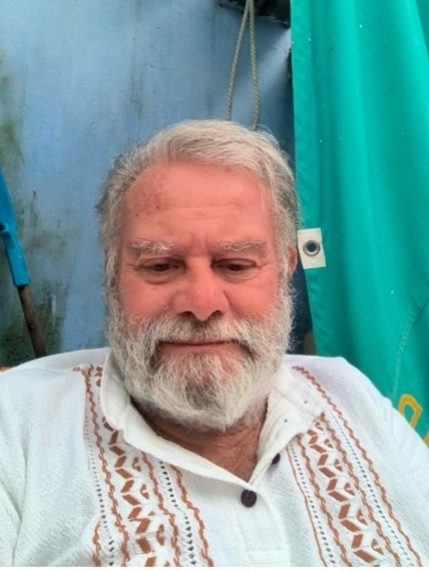
Ricardo T. Duarte
UEM
A Review of Mozambican Archaeology: From Present to Past
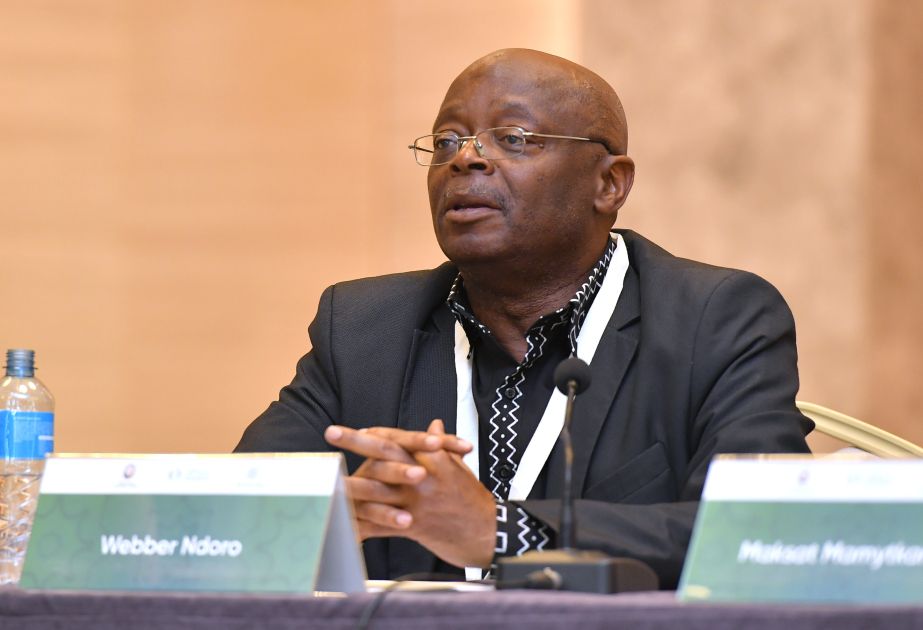
Webber Ndoro
ICESCO
Archaeology in Africa as Heritage

Erika Gonzalez
UISPP
Archaeology as Anticipatory Science: Integrating AI, Community Knowledge, and Sustainability

Sarah Wurz
University of the Witwatersrand
Discovering the origins of modern humans in Africa
With a special presentation from…
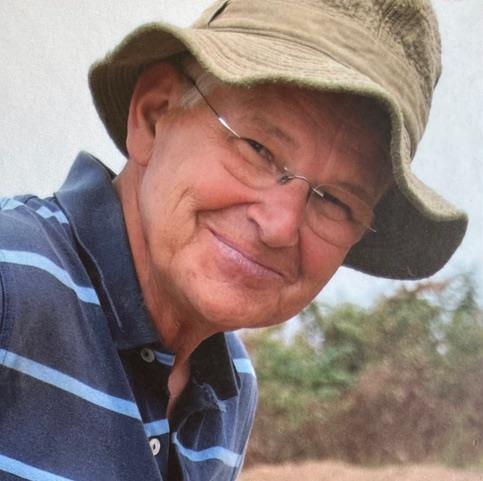
Pierre de Maret
Professor Emeritus of Archaeology and Social Anthropology and Honorary Rector of Brussels University
Travel Grant for Early Career Researchers and Managers of African World Heritage Sites to Attend the 17th Pan African Archaeological Congress
As part of the celebrations marking the 20th Anniversary of the AWHF, to be commemorated throughout 2026, the Fund, in collaboration with the Pan African Archaeological Association, is pleased to offer support to up to ten (10) early career researchers and managers of World Heritage Sites in Africa to attend the 17th Pan African Archaeological Congress.
Organized by the Archaeology & Anthropology Department at Eduardo Mondlane University

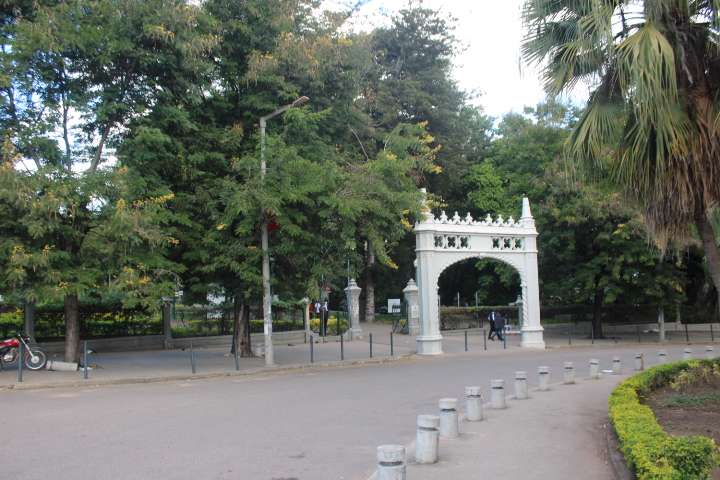
Maputo 2026 theme:
Discovering African Archaeology and Heritage Without Borders
Both Africans and non-Africans face various challenges when thinking of, designing and implementing their research projects in two or more neighbouring African countries. We invite papers and sessions that will reflect, critique, and expand on these challenges, and chart new methodologies for future directions.
 PANAF2026